
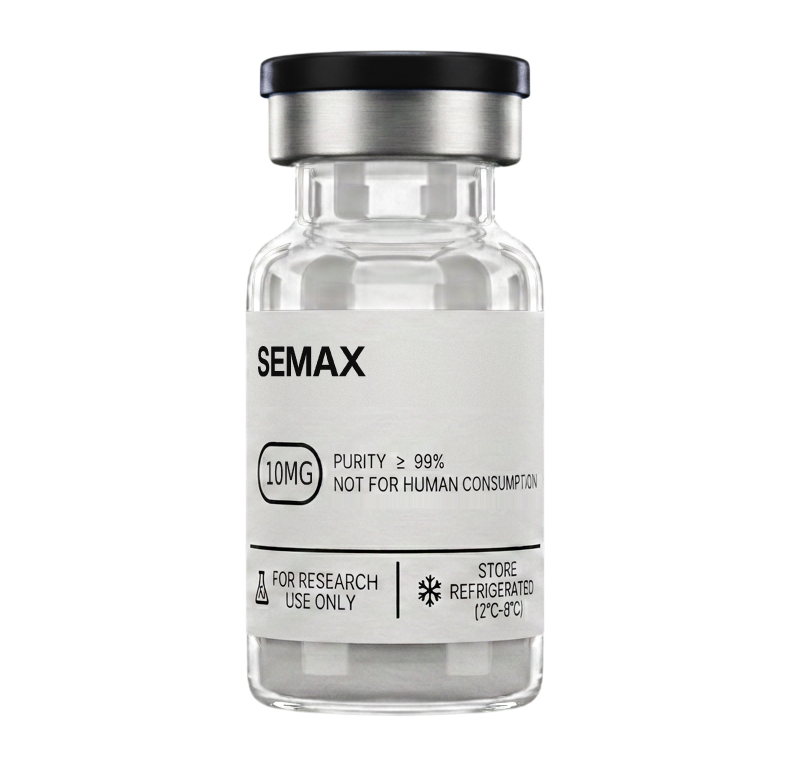
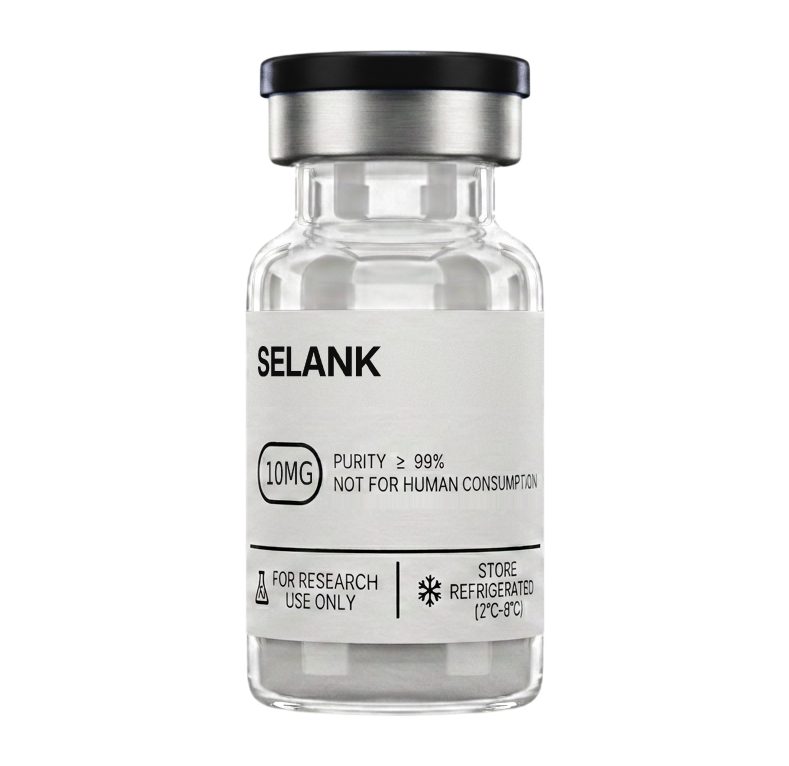
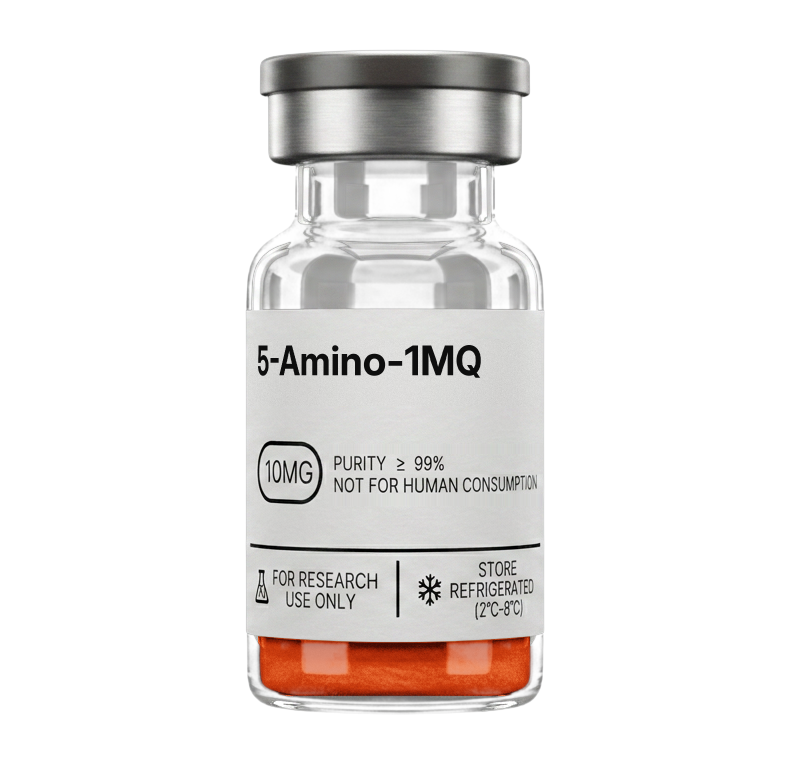
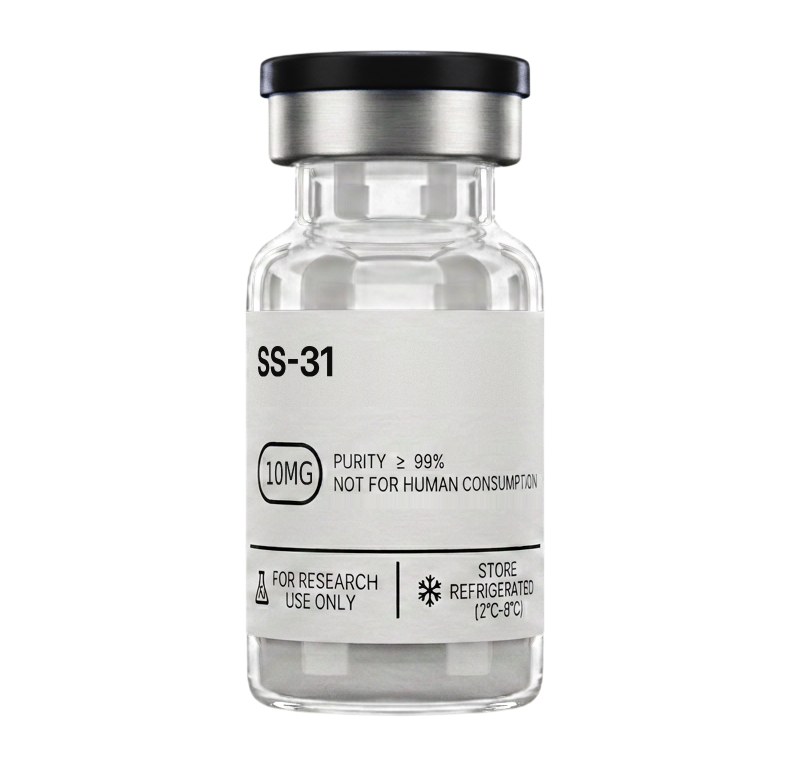


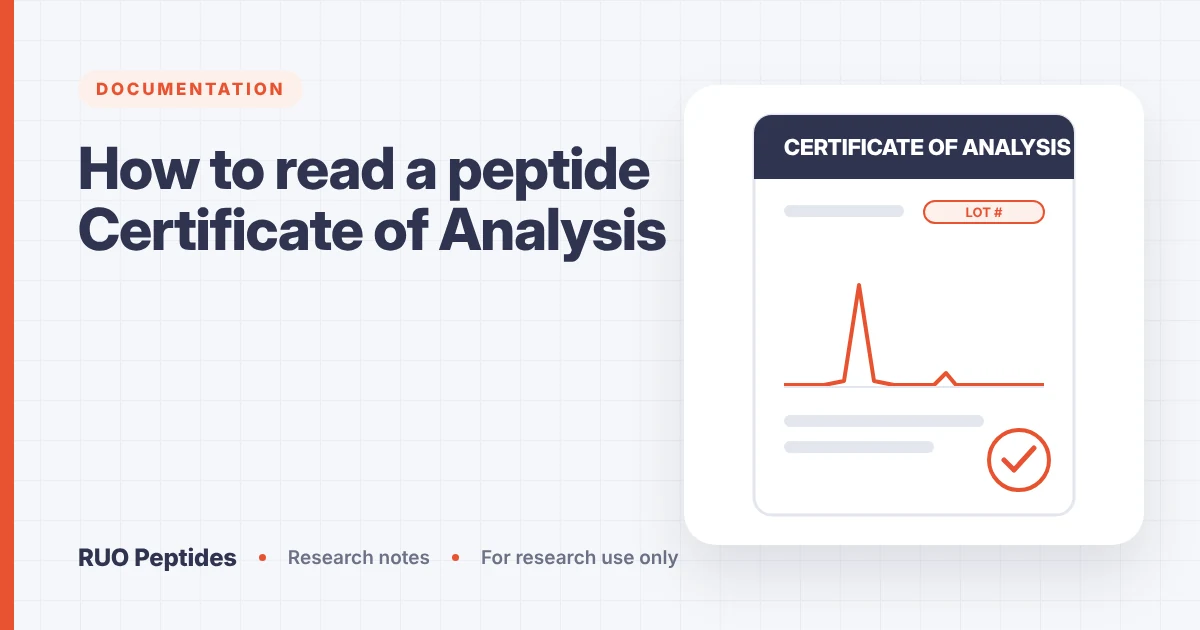
A Certificate of Analysis (CoA) is the main document a laboratory has for checking a research peptide before using it. It summarizes the analytical tests run on one production lot. A CoA is only useful if you know what each line measures, and if you can tie the document to the vial you received.
- A CoA should name a lot number that matches your vial. Without that link, it describes some other material.
- Mass spectrometry confirms identity. HPLC reports purity. You need both.
- HPLC purity is not the same as peptide content by weight.
- A standard CoA does not cover sterility, endotoxins or stability after shipping.
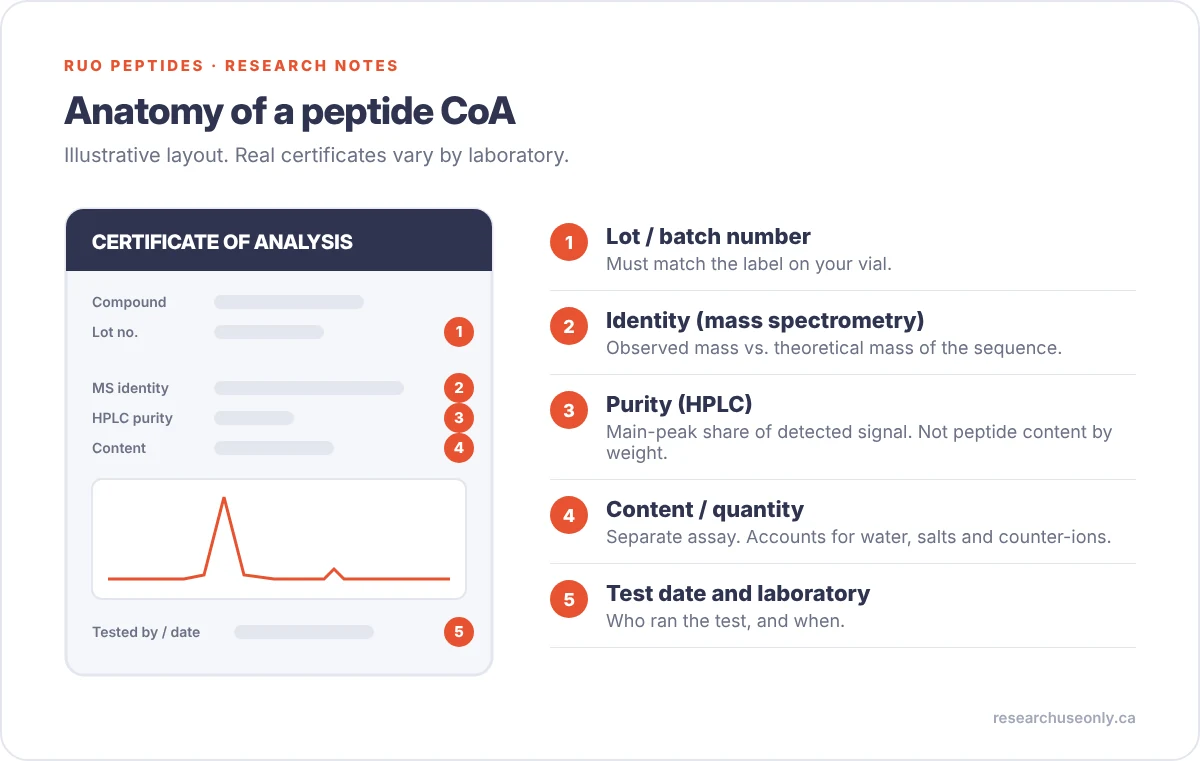
Start with the lot number
Every CoA should name a lot or batch number, and that number should match the label on your vial. A certificate that names no lot, or a different one, describes some other material. A generic “representative” CoA shows that a supplier can produce documentation. It shows nothing about the specific vial on your bench.
Check these identifiers first:
- Compound name as it appears on the product listing and the vial label
- Lot or batch number, matching the vial
- Stated amount per vial (for example 10 mg)
- Test date, and the name of the laboratory that ran the analysis
Identity: is it the right molecule?
Identity is usually confirmed by mass spectrometry (MS). The certificate should list a theoretical molecular weight, calculated from the sequence, and an observed mass. The two should agree within the stated tolerance of the instrument. If a CoA reports purity but no identity result, you know the sample was mostly one substance, but not which one.
Purity: how much of the sample is the target peptide?
Purity is most often reported as a percentage from high-performance liquid chromatography (HPLC). A result such as 99.1% means the main peak made up 99.1% of the detected signal at the wavelength used. It does not mean the vial holds 99.1% of the labelled mass as peptide.
For more on the difference between these tests, see HPLC Purity vs. Mass Spec Identity.
Quantity and content
Some certificates also report net peptide content or a measured amount per vial. This is a separate test from purity. Lyophilized peptides retain some water and salt, so a sample can be highly pure and still weigh in below the label amount as peptide. If quantity matters to your protocol, look for a content or assay figure in addition to HPLC purity.
What a CoA does not cover
A standard purity and identity CoA does not, by itself, establish:
- Sterility or endotoxin levels, which need their own tests
- Stability after the test date, or after the vial has been shipped, opened or stored
- Suitability for any particular experiment, which remains the receiving lab’s decision
Questions worth asking a supplier
- Is the CoA specific to the lot I will receive?
- Was the testing done in-house or by an independent laboratory?
- Can you provide the chromatogram and mass spectrum, not just the summary values?
Good documentation should be easy to match to a vial and easy to read. If it is not, ask before you order.
Frequently asked questions
What does CoA stand for?
Certificate of Analysis. It is a document summarizing the analytical test results for one production lot of a material.
Is 99% HPLC purity the same as 99% peptide content?
No. HPLC purity is the share of detected signal in the main peak. Peptide content by weight also accounts for water, salts and counter-ions, and is measured separately.
Why does the lot number matter so much?
Each production lot is tested separately. The lot number is the only link between a set of test results and the vial you actually received.
Does a CoA prove a peptide is sterile?
No. Sterility and endotoxin testing are separate analyses. A purity and identity CoA does not address them unless it explicitly reports those tests.
Related reading
Browse the catalogue: see the current research peptides available in Canada, each listed with amount, purity and storage details. For research use only.