
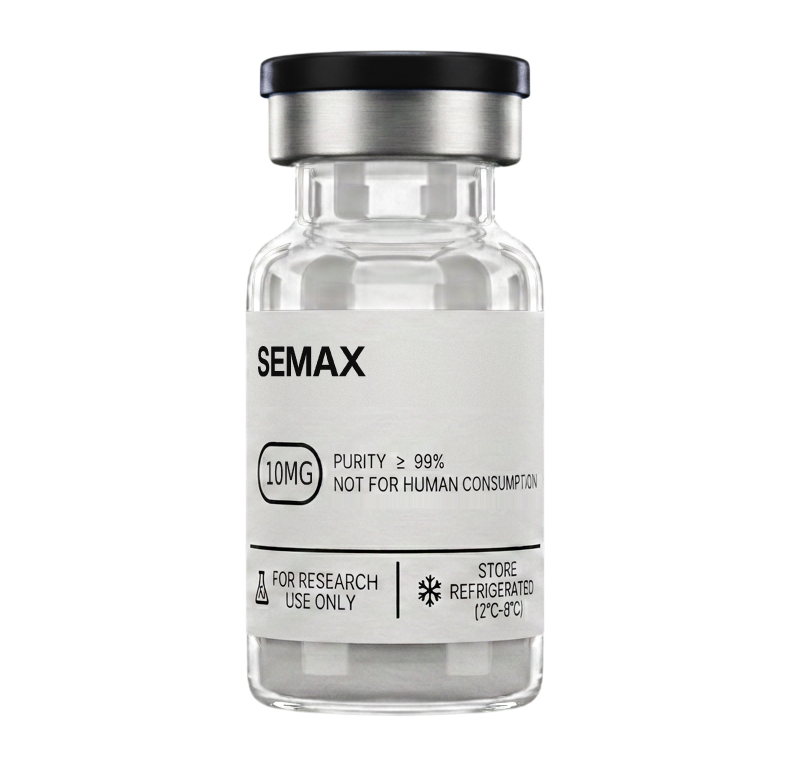
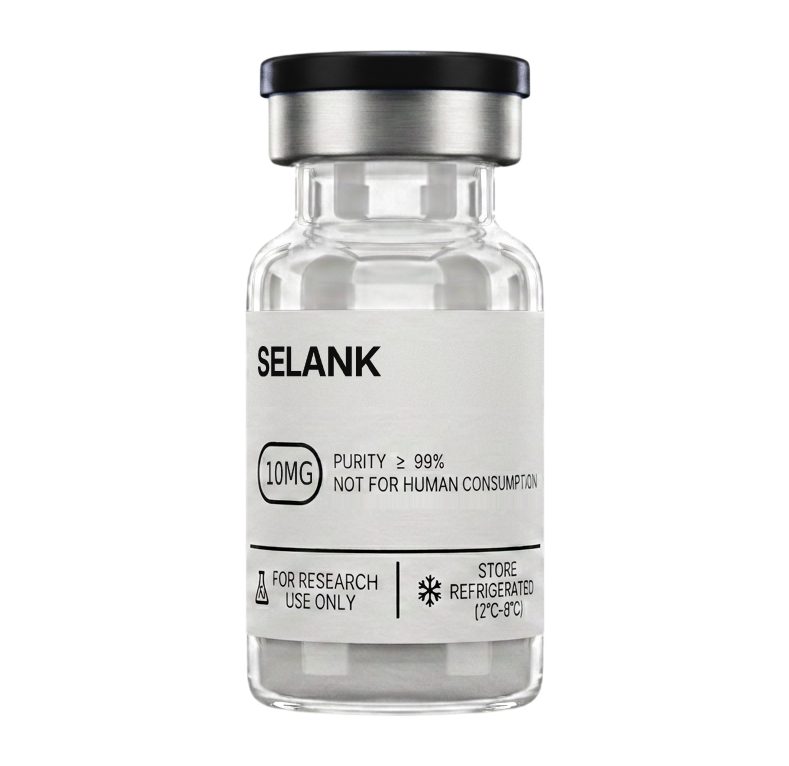
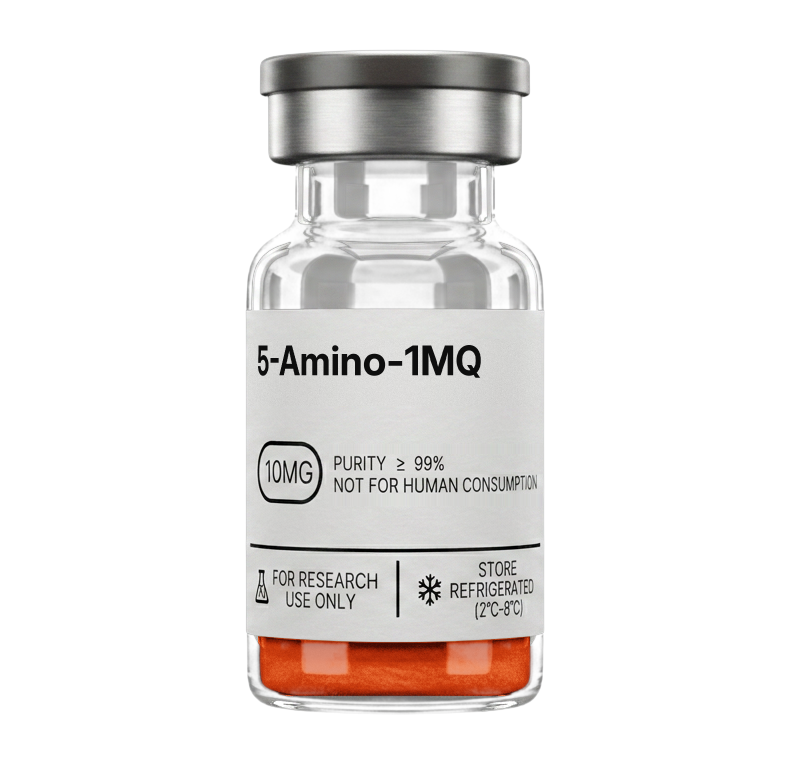
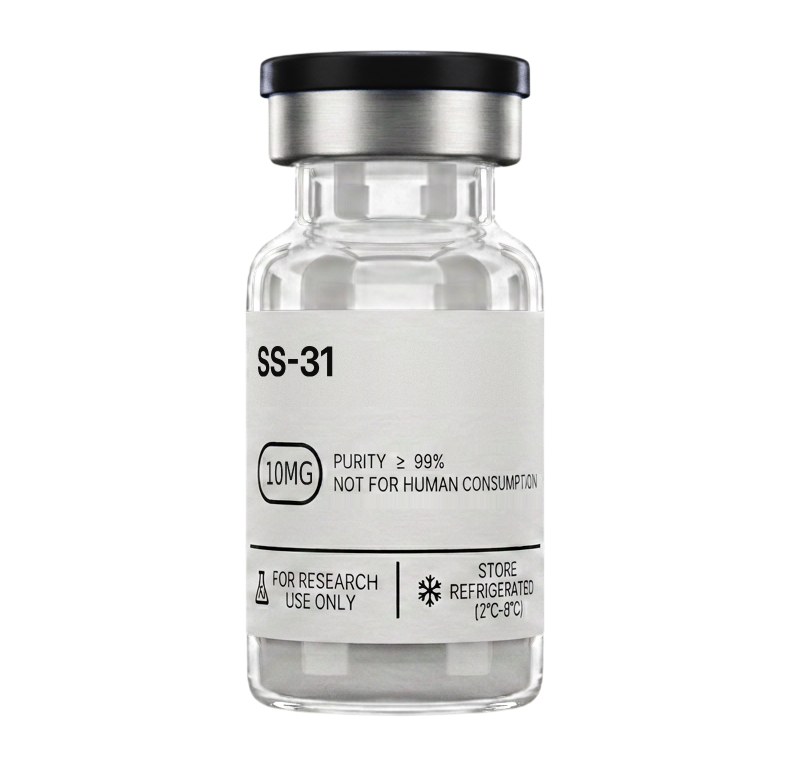



Most research peptides ship as a lyophilized (freeze-dried) powder. Removing water slows the chemical reactions that break peptides down, which is why a lyophilized vial tolerates shipping far better than a solution would. “More stable” is not the same as “unaffected by conditions,” though. Knowing what degrades a peptide helps a lab decide how to store material and how to judge a shipment.
- Moisture is the biggest threat once a vial is opened.
- Heat, light and oxygen also degrade peptides, especially sequences with Met, Cys, Trp or Tyr.
- Let a cold vial reach room temperature before opening to avoid condensation.
- On arrival, check the seal, appearance, label and lot number against the CoA.
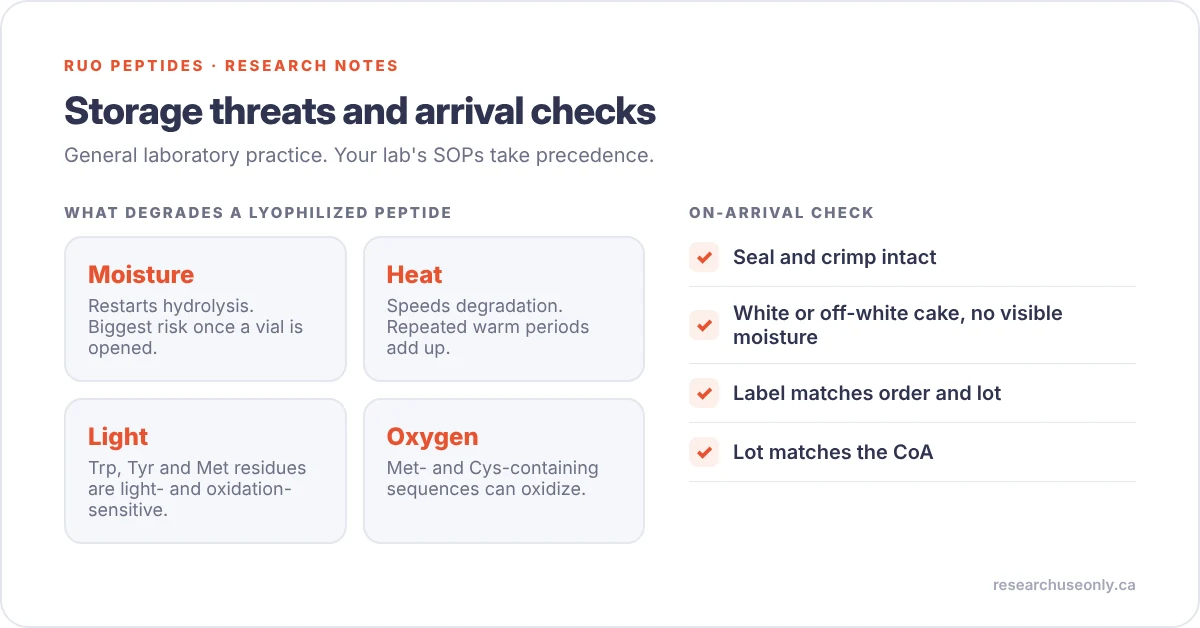
What breaks peptides down
- Moisture. Water that gets back into the powder restarts hydrolysis and other reactions. This is the single biggest risk once a vial is opened.
- Heat. Higher temperatures speed up degradation. Short exposures matter less than long ones, but repeated warm periods add up.
- Light. Some residues, such as tryptophan, tyrosine and methionine, are sensitive to light and oxidation.
- Oxygen. Sequences containing methionine or cysteine can oxidize over time.
Typical storage practice
Common laboratory practice for lyophilized peptides includes:
- Keeping vials sealed, cold and dark until use. Many labs store them frozen for long-term holding.
- Letting a cold vial reach room temperature before opening it, so condensation does not form on the powder.
- Limiting how often a vial is opened, and resealing promptly.
- Avoiding repeated freeze-thaw cycles once material is in solution.
Shipping within Canada
Domestic shipping shortens the time a package spends in transit and avoids customs holds, which reduces the time a vial is exposed to uncontrolled temperatures. Weather still matters. A parcel left in a hot vehicle in July, or a cold depot in January, sees conditions very different from a lab freezer.
What to check on arrival
- Seal and cap. The crimp and stopper should be intact.
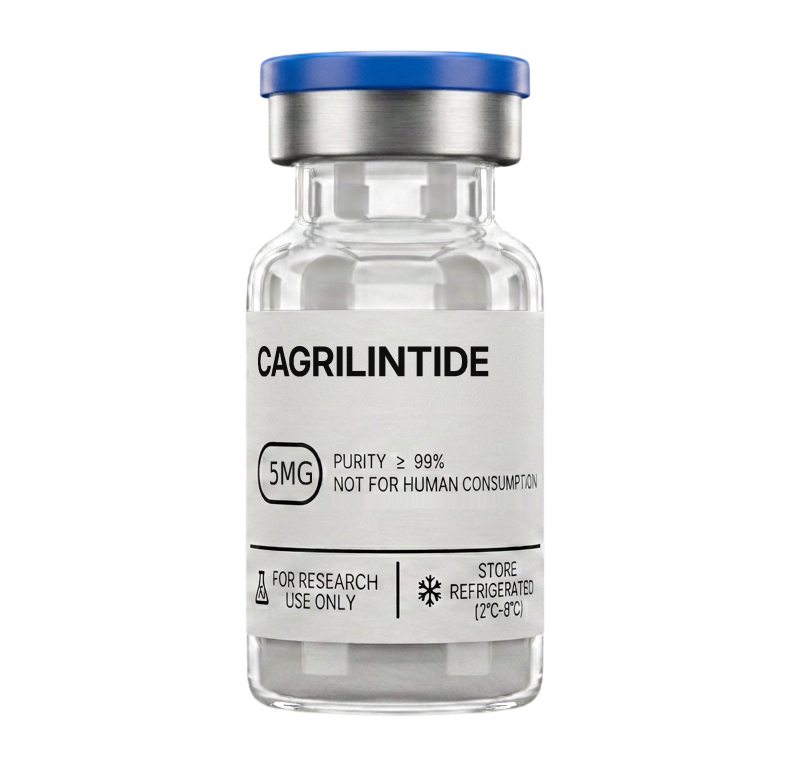
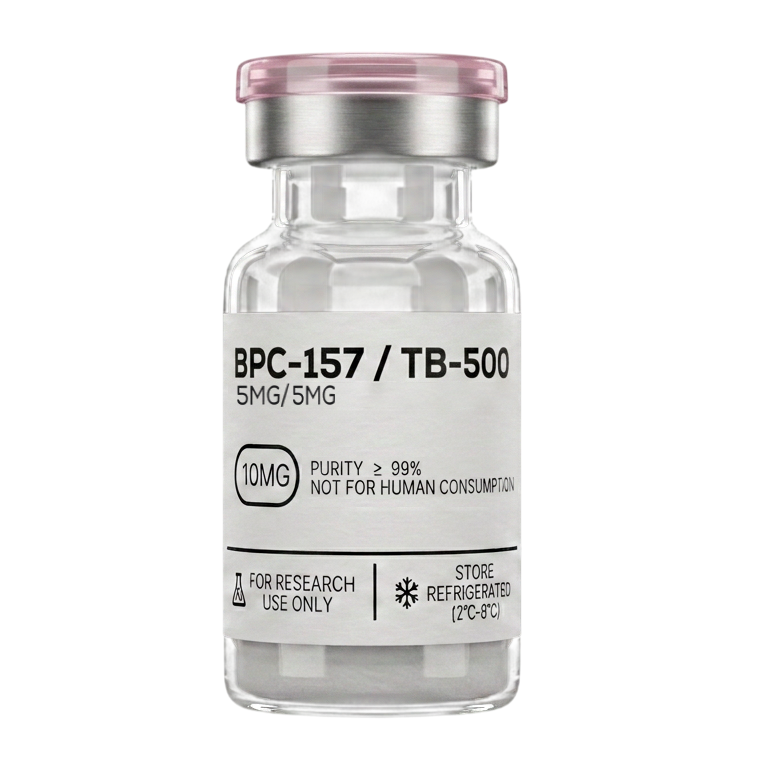
- Appearance. Lyophilized peptide usually looks like a white or off-white cake or powder. Visible moisture, a collapsed or sticky cake, or discolouration are worth noting. GHK-Cu is an exception: it is normally blue.
- Label. The compound name, amount and lot number should match your order and the certificate.
- Documentation. Match the lot number to its Certificate of Analysis.
If anything looks wrong, document it with photos and contact the supplier before using the material.
Frequently asked questions
What does lyophilized mean?
Freeze-dried. Water is removed from a frozen sample under vacuum, leaving a dry powder or “cake” that is much more stable than a solution.
Why should a vial warm up before it is opened?
Opening a cold vial lets moisture from the air condense on the powder. Allowing it to reach room temperature first avoids this.
Does a short delay in shipping ruin a lyophilized peptide?
Short exposures are generally less of a concern than long or repeated ones. If a parcel was delayed in extreme conditions, inspect the vial and contact the supplier if anything looks wrong.
Related reading
Browse the catalogue: see the current research peptides available in Canada, each listed with amount, purity and storage details. For research use only.