
BePaintStore
Research
Lab guides
Testing, documentation and handling

Research Peptides in Canada: How to Read Product Listings
Comparing research peptides in Canada starts with understanding what each product listing actually tells you. A compound name, an amount in milligrams and a product image […]
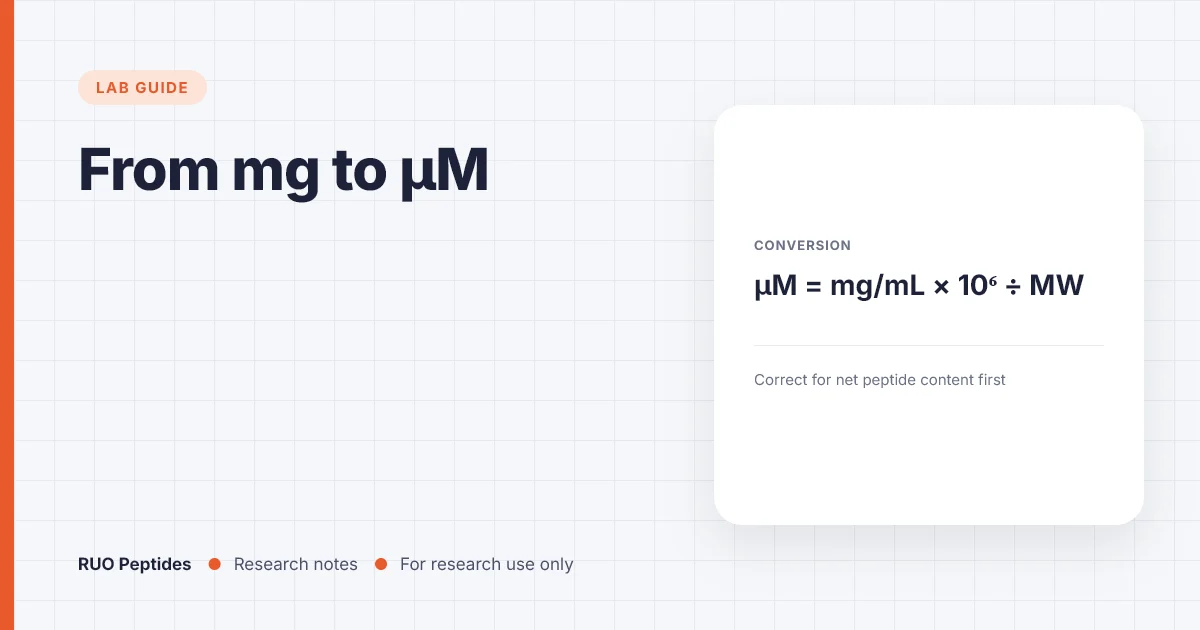
What Is Peptide Molarity?
How to convert a peptide's mass to molar concentration for in-vitro assays, correct for net peptide content, prepare a stock solution and plan serial dilutions, with worked examples.
What Are Peptide Salt Forms?
Why most synthetic peptides arrive as TFA salts, how much of the vial weight the counterion accounts for, how TFA can affect cell assays, and when acetate or HCl salts make more sense.
Research Peptide Glossary
Plain-language definitions of the terms on research peptide listings and CoAs: HPLC, mass spec, net peptide content, TFA salt, endotoxin, lyophilized and more.
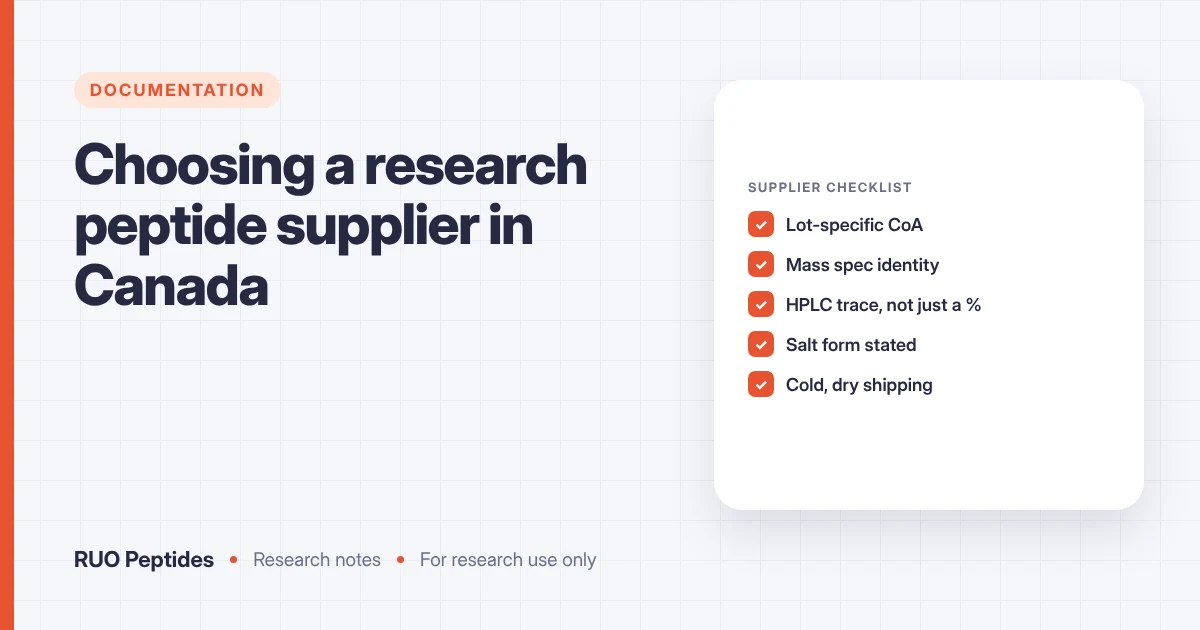
How to Choose a Peptide Supplier
A practical checklist for Canadian labs: what documentation to ask a peptide supplier for, how to check it, and the red flags that should rule a supplier out.
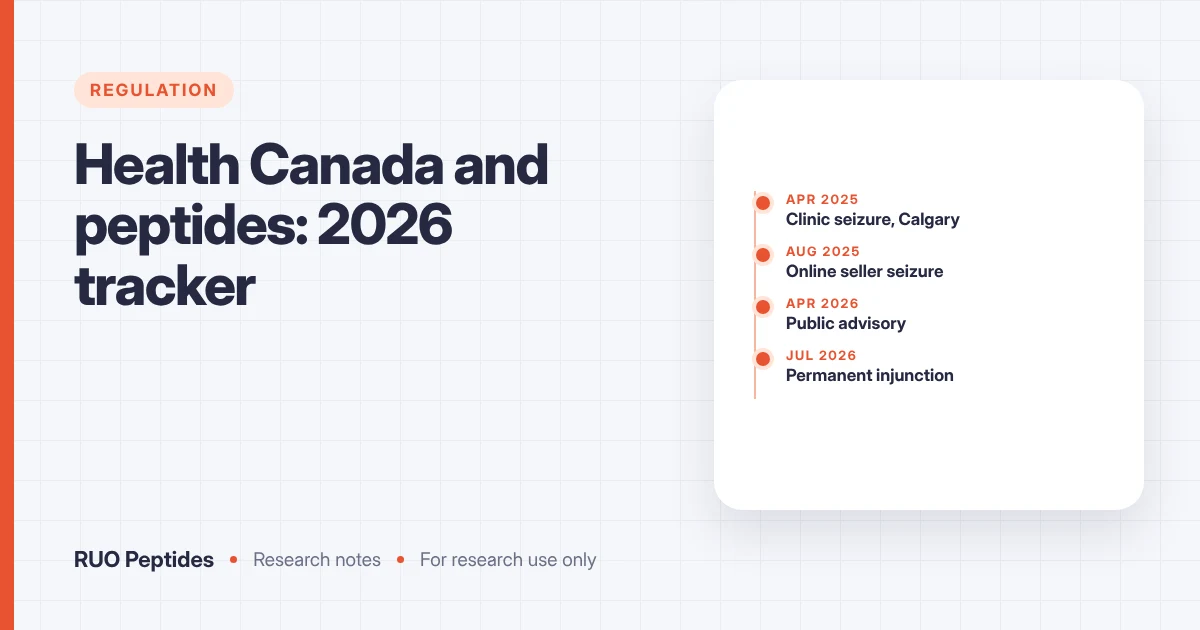
Health Canada Peptide Rules
A dated timeline of Health Canada advisories, seizures and court action on unauthorized peptides from 2023 to 2026, with the rules behind them.
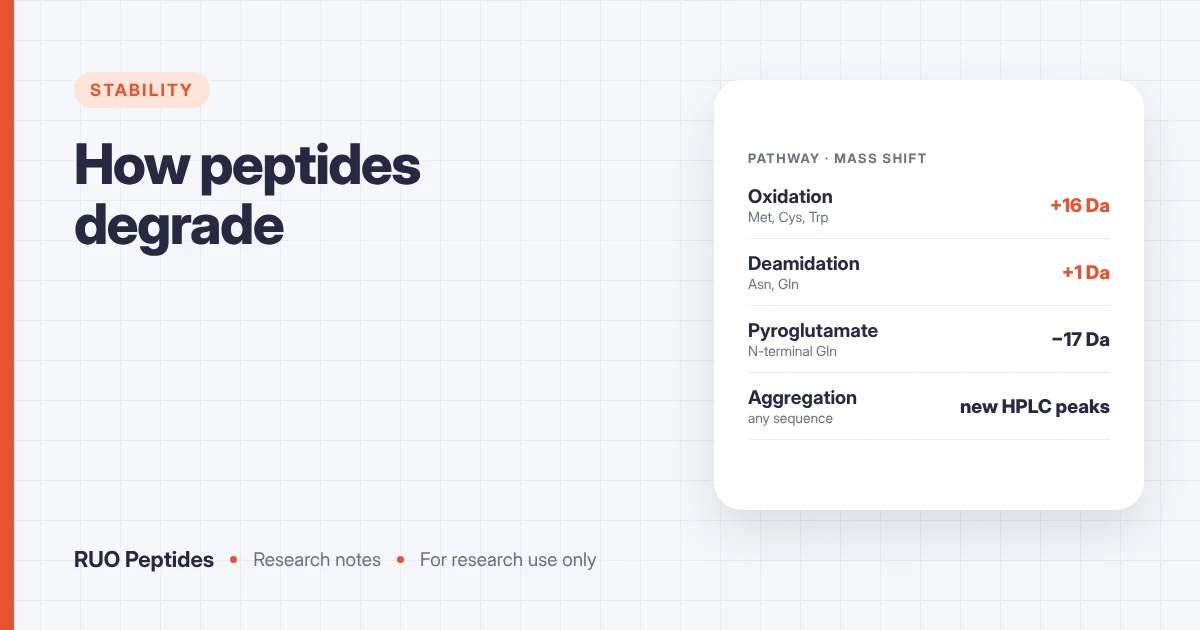
How Do Peptides Degrade?
The main ways research peptides degrade, including oxidation, deamidation, pyroglutamate and aggregation, and how each appears in HPLC and mass spec data.
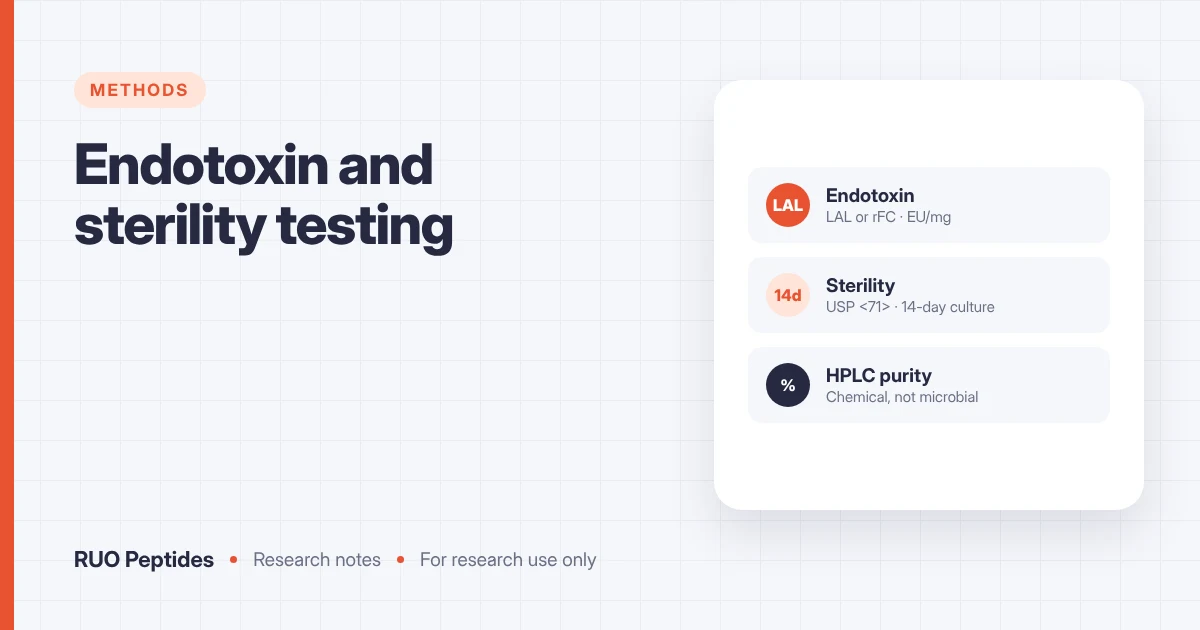
What Is Endotoxin Testing?
HPLC purity says nothing about endotoxin or microbes. How LAL and rFC endotoxin tests and USP 71 sterility tests work, and what they mean for in-vitro labs.
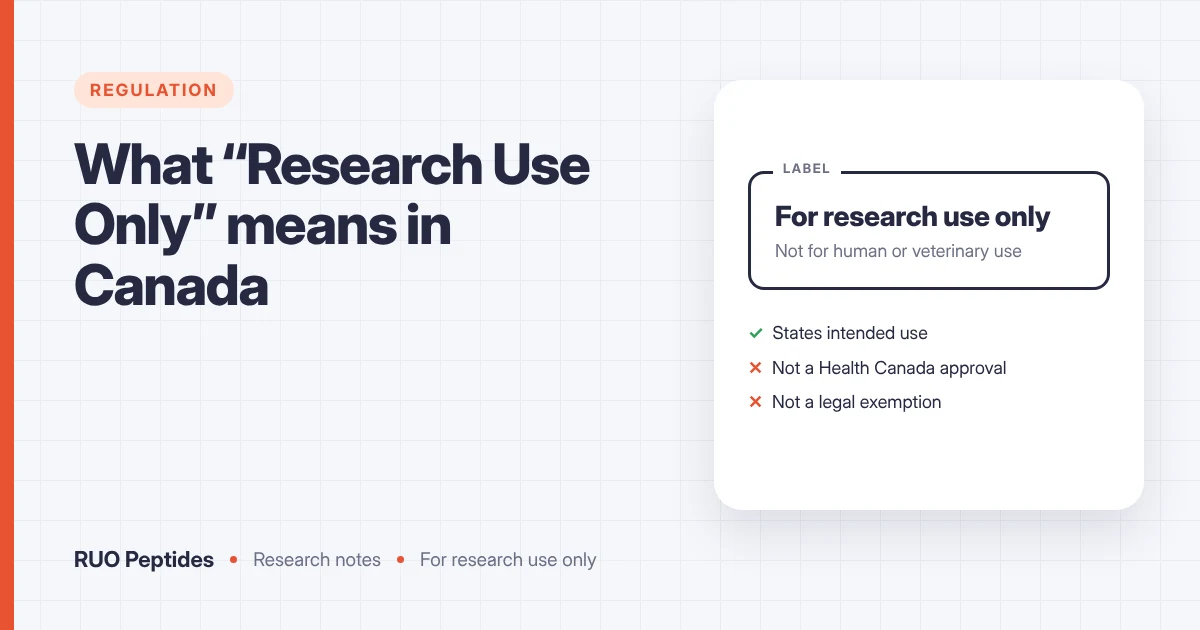
What Does Research Use Only Mean?
A research-use-only label states intended use. It is not a Health Canada approval or a legal exemption. What the label means for Canadian labs in 2026.
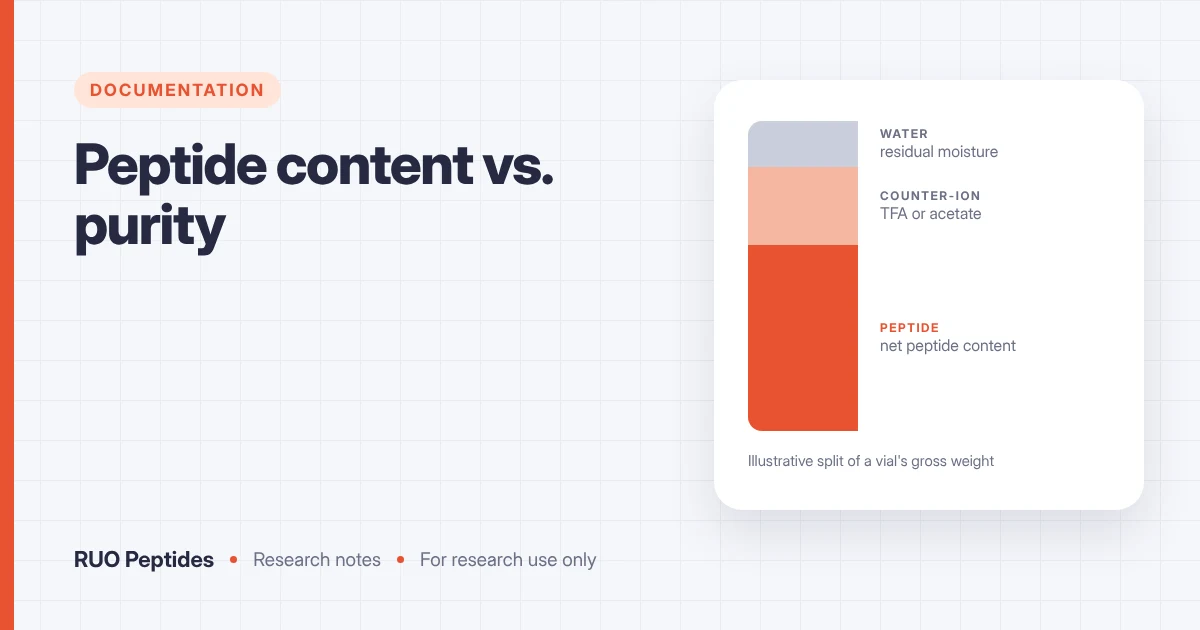
What Is Net Peptide Content?
HPLC purity and net peptide content measure different things. How counter-ions and water affect the weight in a vial, and how to read both on a CoA.
How to Store Lyophilized Peptides
Freeze-drying makes peptides far more stable, but not indestructible. The main threats to a lyophilized vial in transit and storage, and what to check when a shipment arrives.
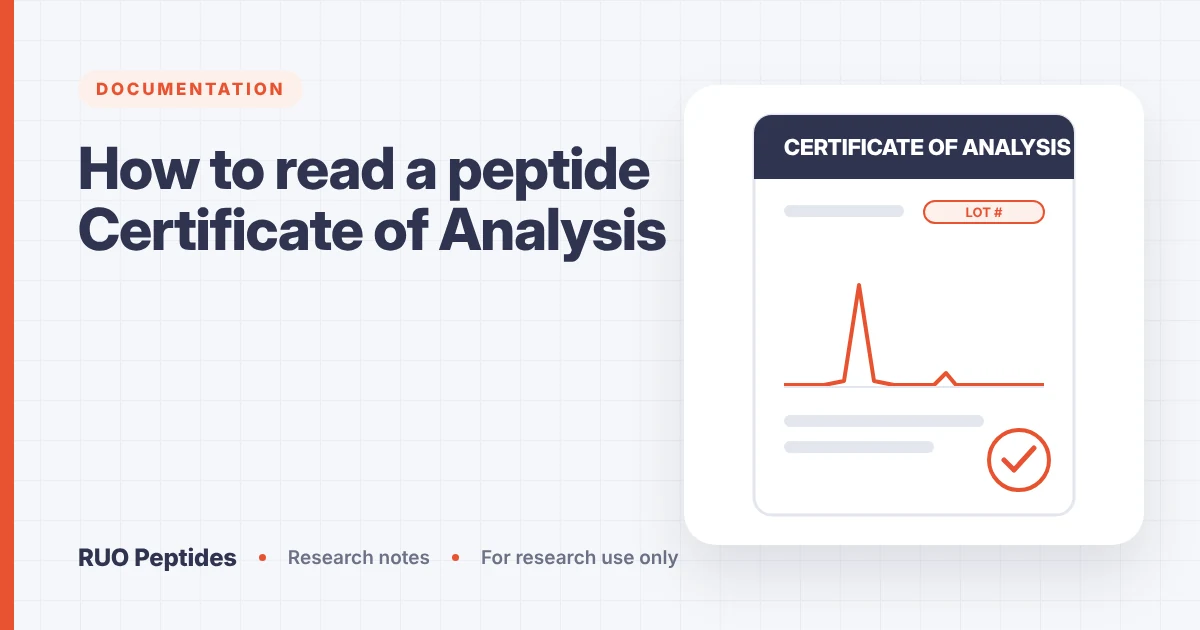
How to Read a Peptide CoA
A Certificate of Analysis puts several separate tests on one page. What each field confirms, what it does not, and how to check that a CoA belongs to the vial in front of you.
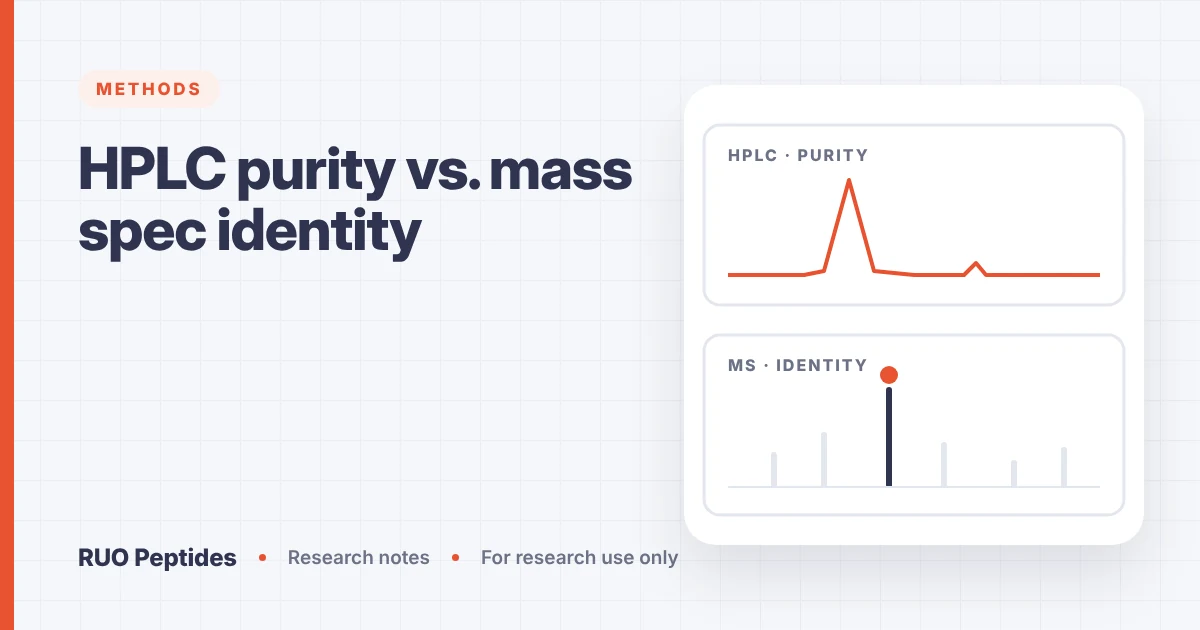
Compound guides
Peptide-by-peptide research notes
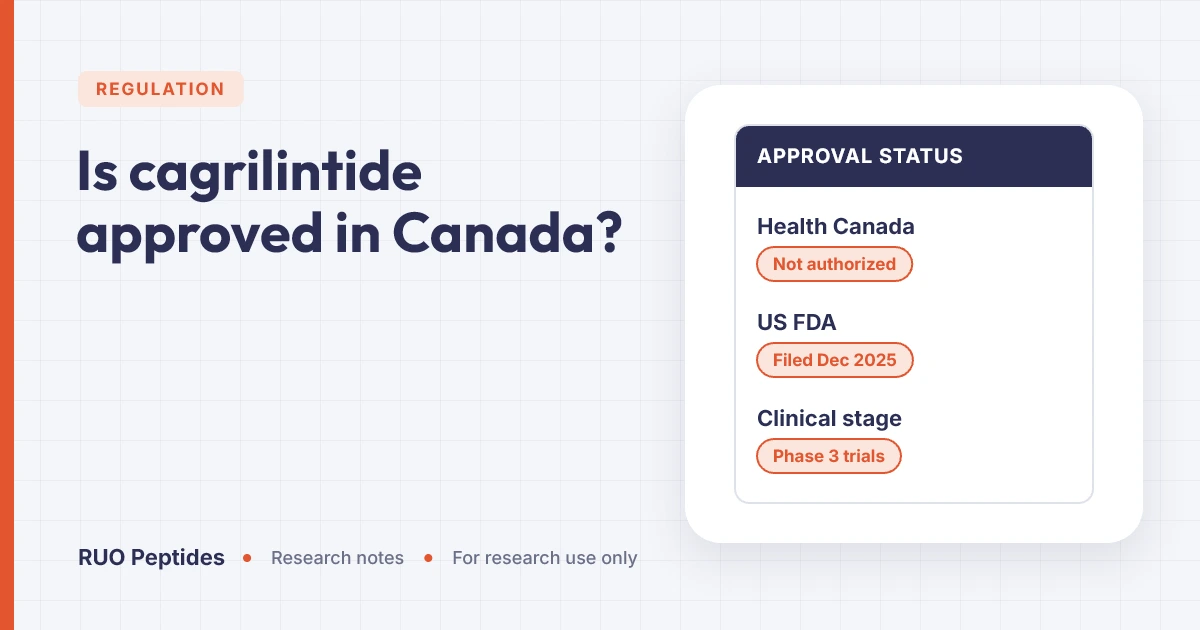
Is Cagrilintide Approved in Canada?
Cagrilintide is not authorized by Health Canada, alone or as part of CagriSema. Where the program stands, the Canadian regulatory context, and how research-use material differs from the trial drug.
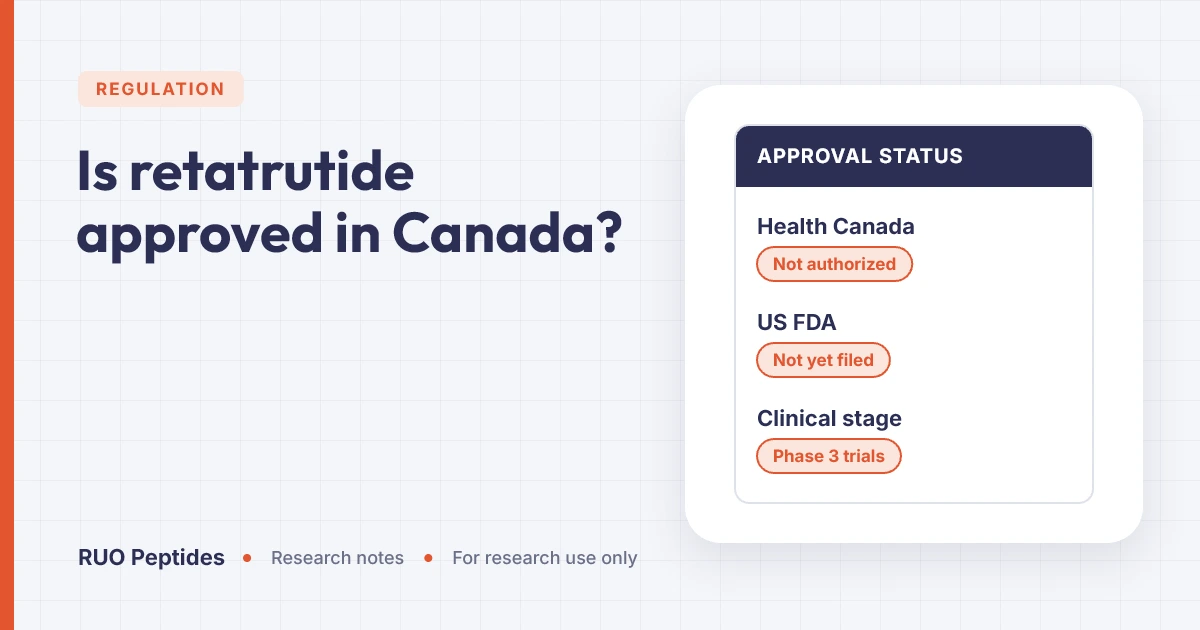
Is Retatrutide Approved in Canada?
Retatrutide is not authorized by Health Canada or approved by any other regulator. Where the Phase 3 program stands, what Health Canada has said, and how research-use material differs from the trial drug.
Tesamorelin vs. Sermorelin vs. CJC-1295
Tesamorelin, sermorelin, modified GRF(1-29) and CJC-1295 are all built from growth hormone-releasing hormone. How their structures differ, why the modifications matter and where each stands with regulators.
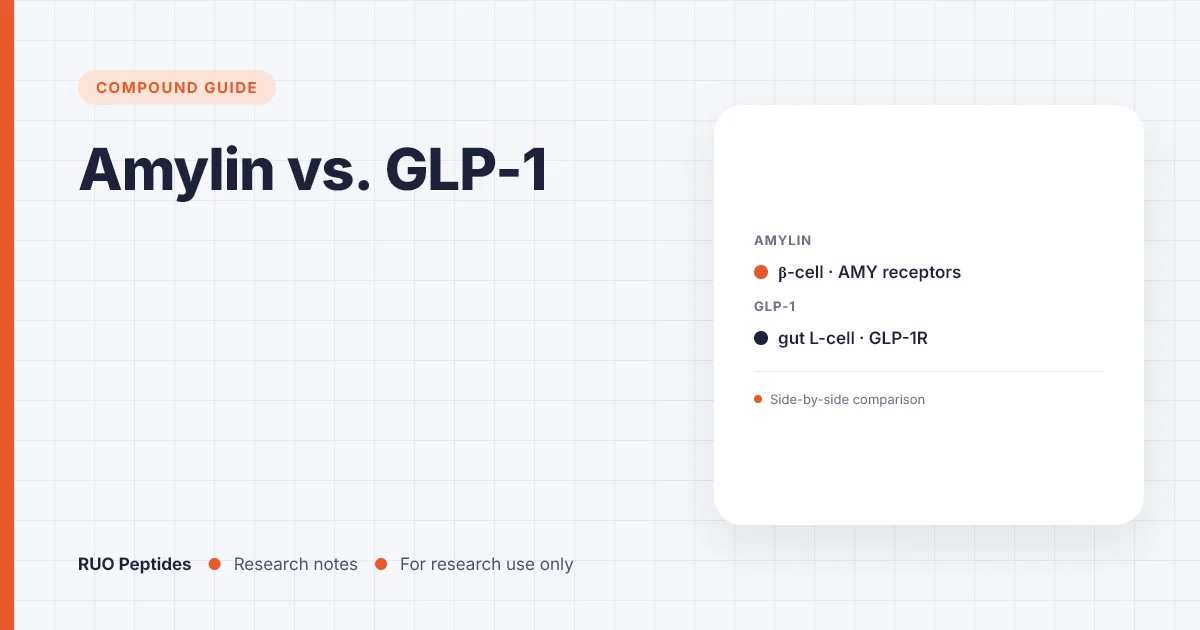
Amylin vs. GLP-1
Amylin analogues such as cagrilintide act on different receptors from GLP-1 agonists. How the two hormone families differ, how cagrilintide was engineered, CagriSema trial results and the 2026 pipeline.
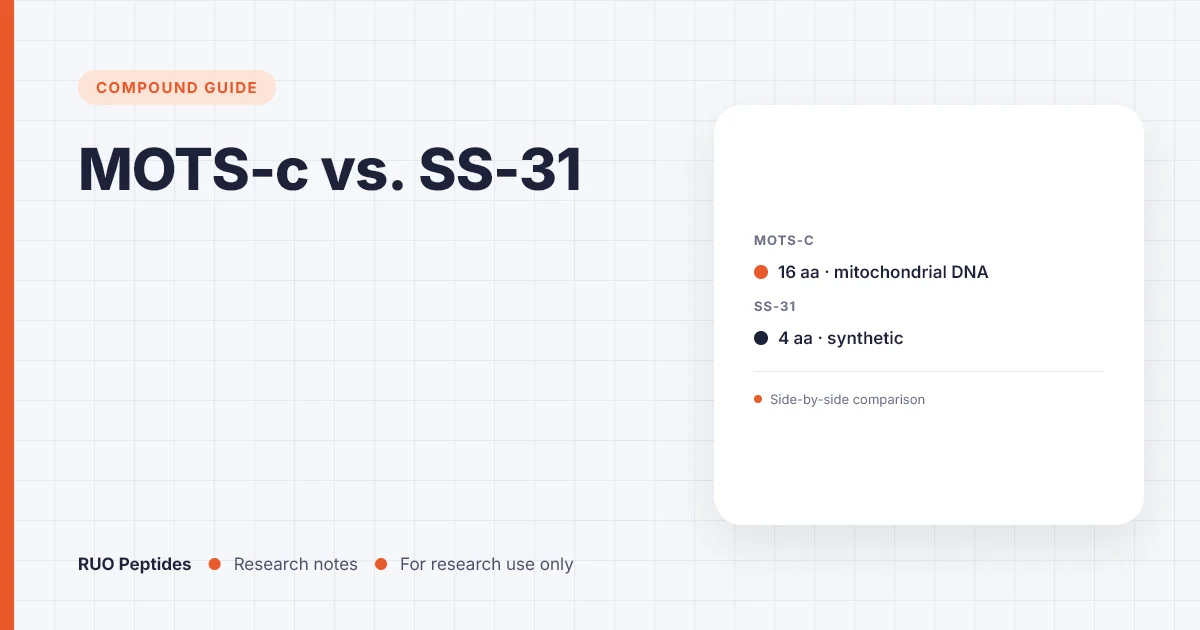
MOTS-c vs. SS-31
MOTS-c and SS-31 both sit at the centre of mitochondrial research, but they work in very different ways. Origins, structure, mechanisms, clinical status and CoA checks compared.
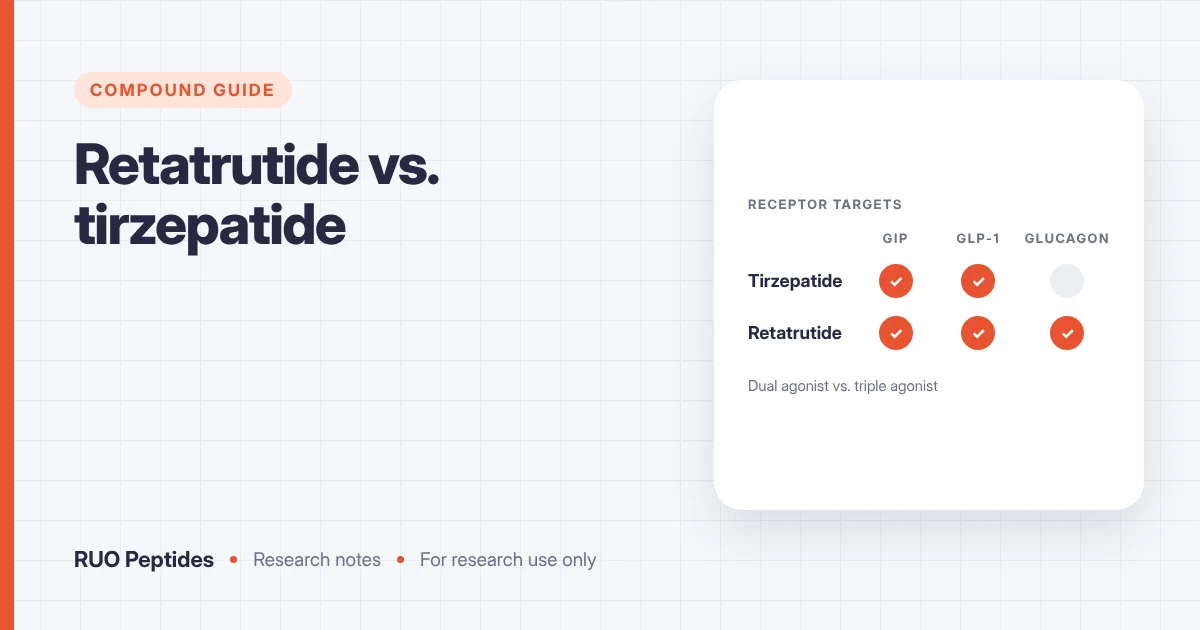
Retatrutide vs. Tirzepatide
Tirzepatide is an approved GIP/GLP-1 dual agonist. Retatrutide adds the glucagon receptor and is still investigational. How the two compare in 2026.
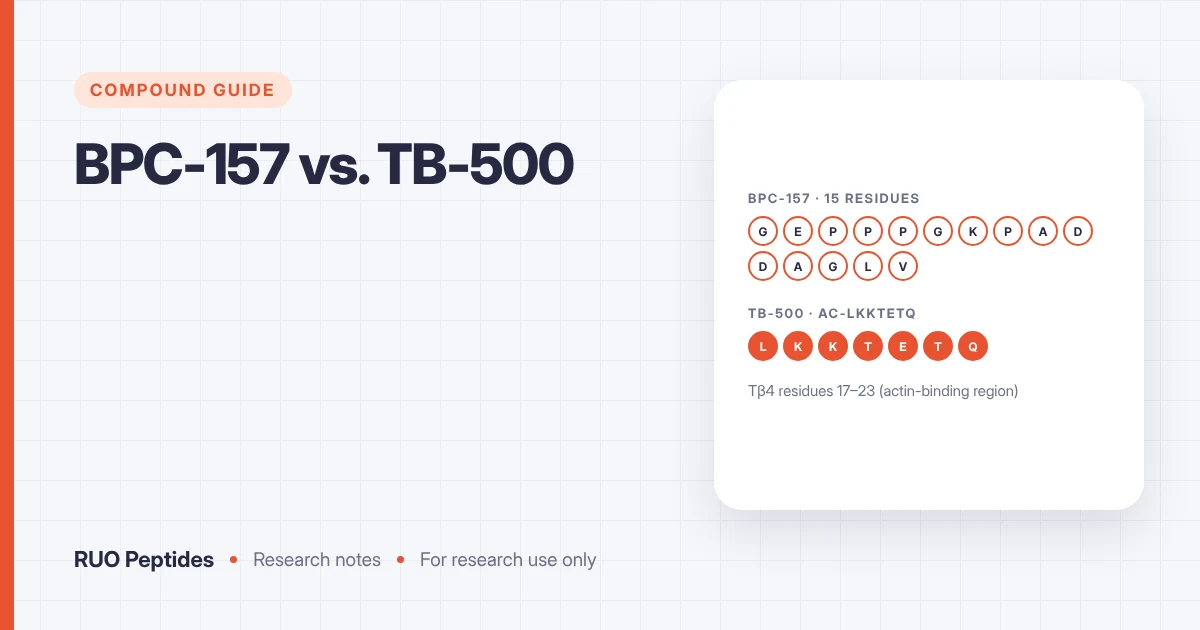
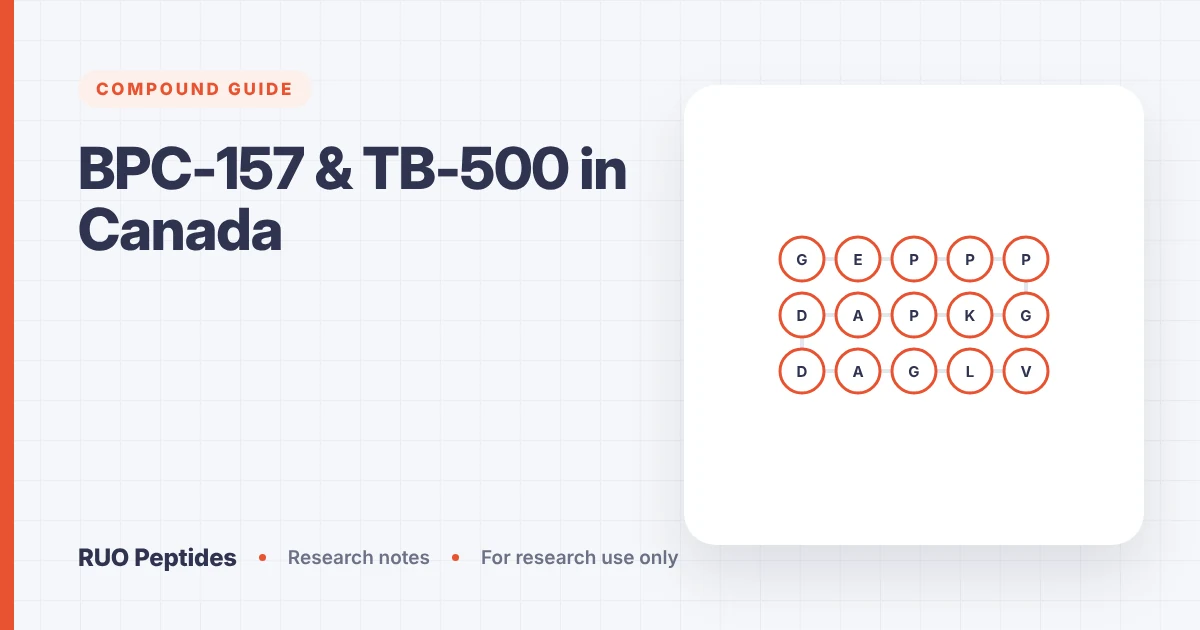
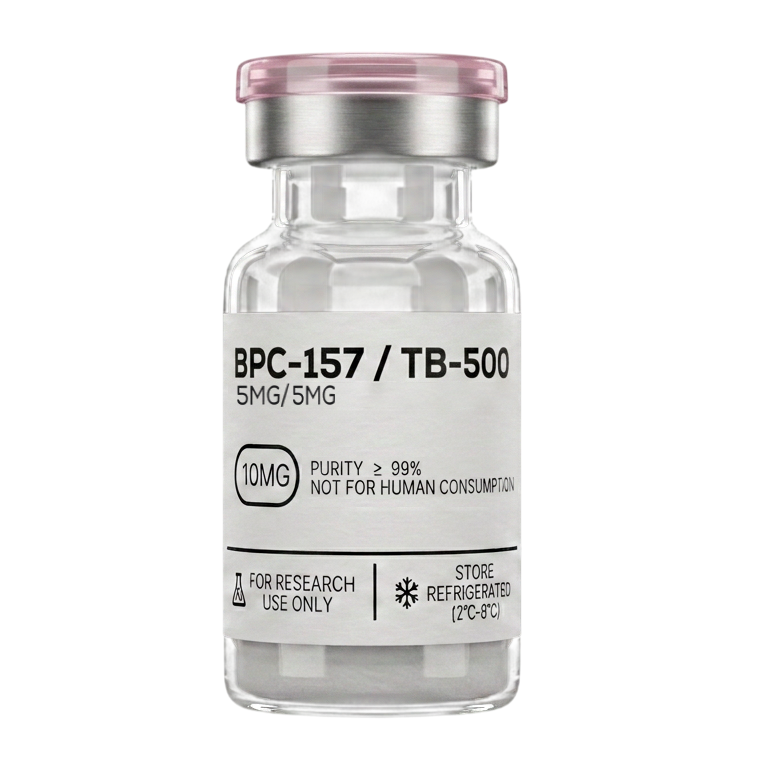
BPC-157 vs. TB-500
BPC-157 is a 15-residue gastric protein fragment. TB-500 is a thymosin beta-4 fragment. How their chemistry, research and 2026 regulatory status compare.
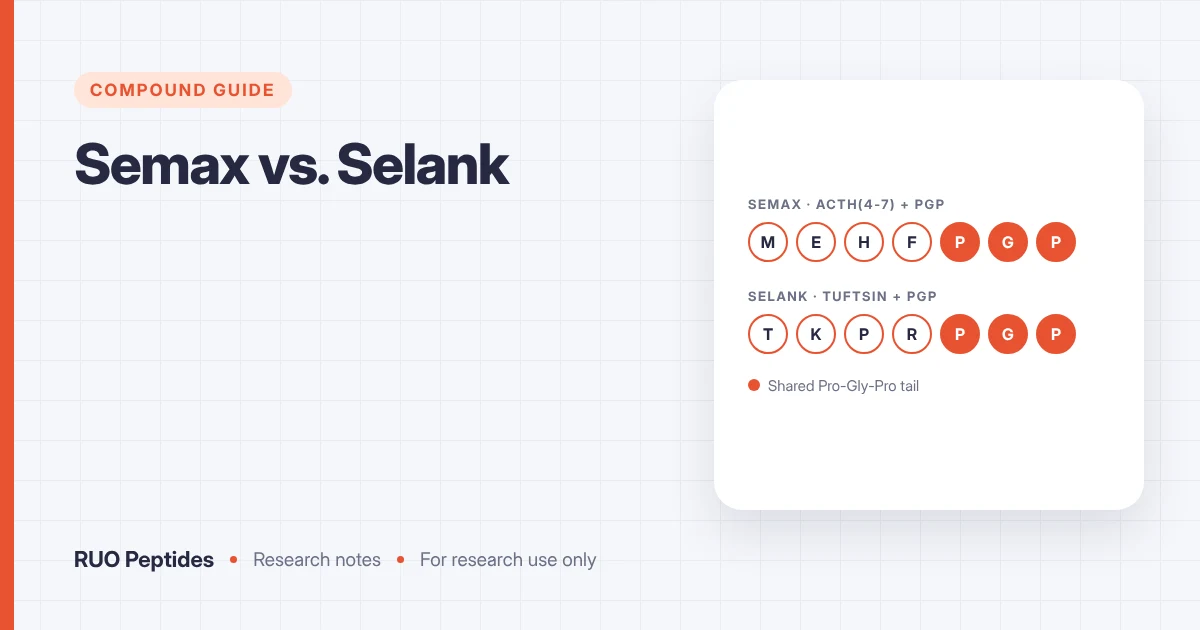
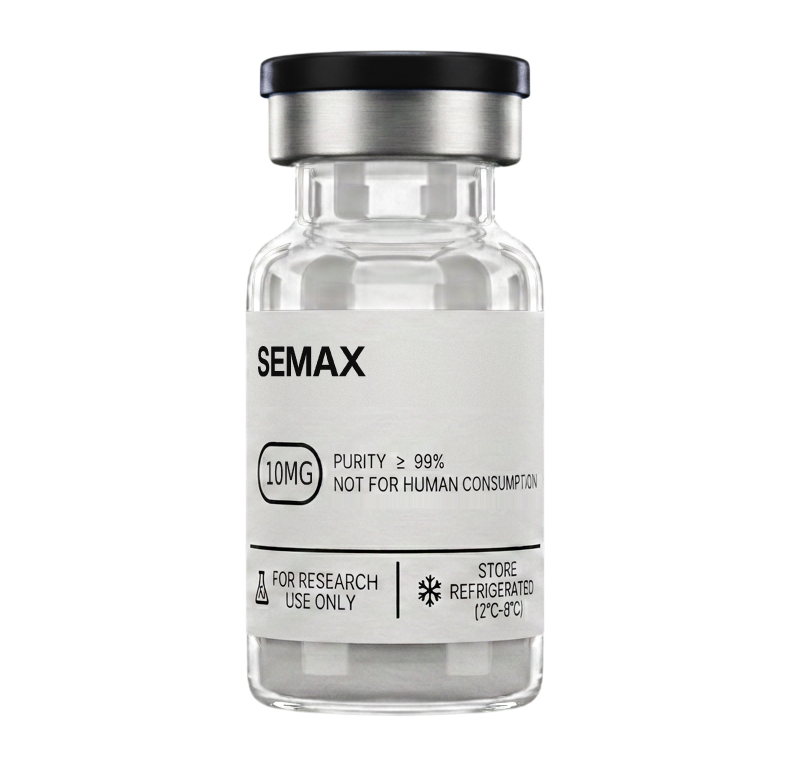
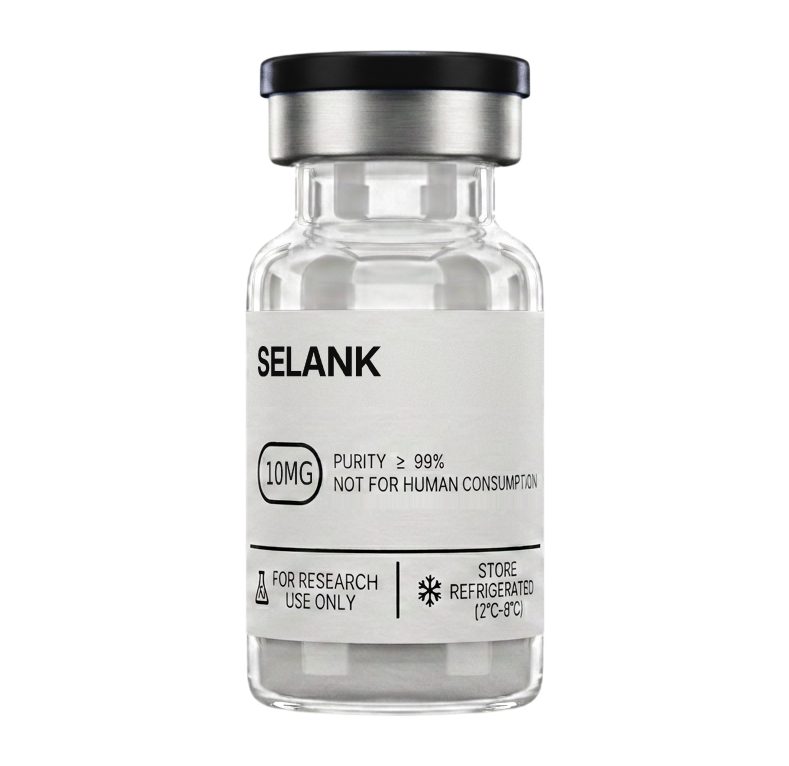
Semax vs. Selank
Semax and Selank are both seven-residue peptides with a Pro-Gly-Pro tail. How their origins, chemistry, research focus and regulatory status differ.
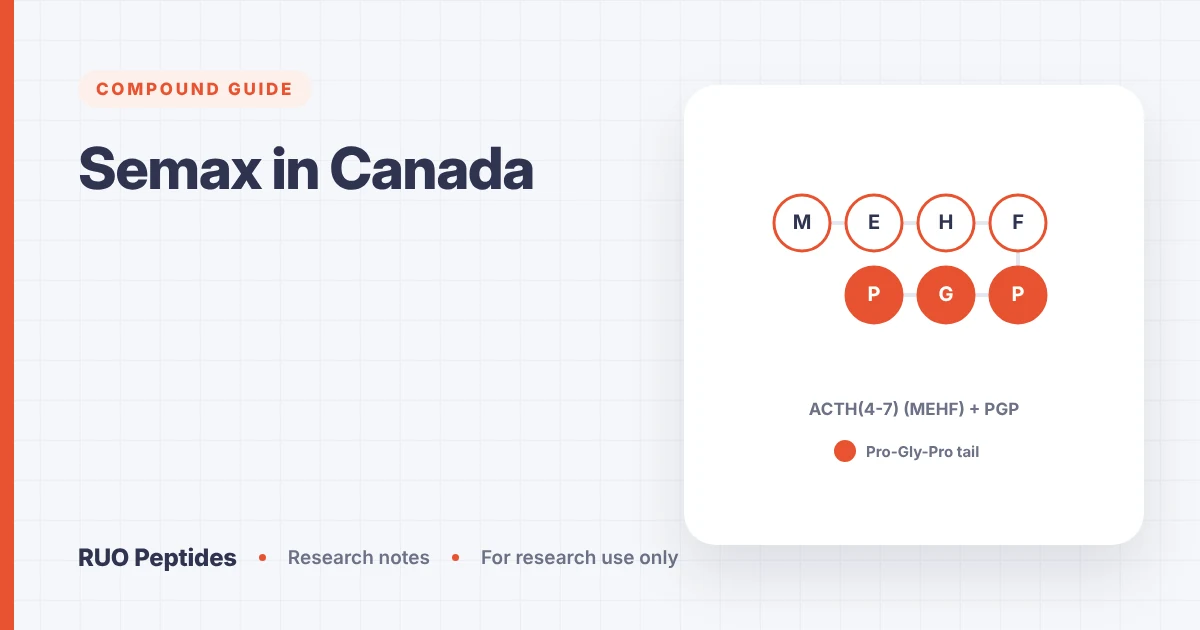
What Is Semax?
Semax is a synthetic ACTH(4-7) analogue developed in Russia. Its structure, what the research describes, what its CoA should confirm, and the Canadian regulatory context.
What Is Selank?
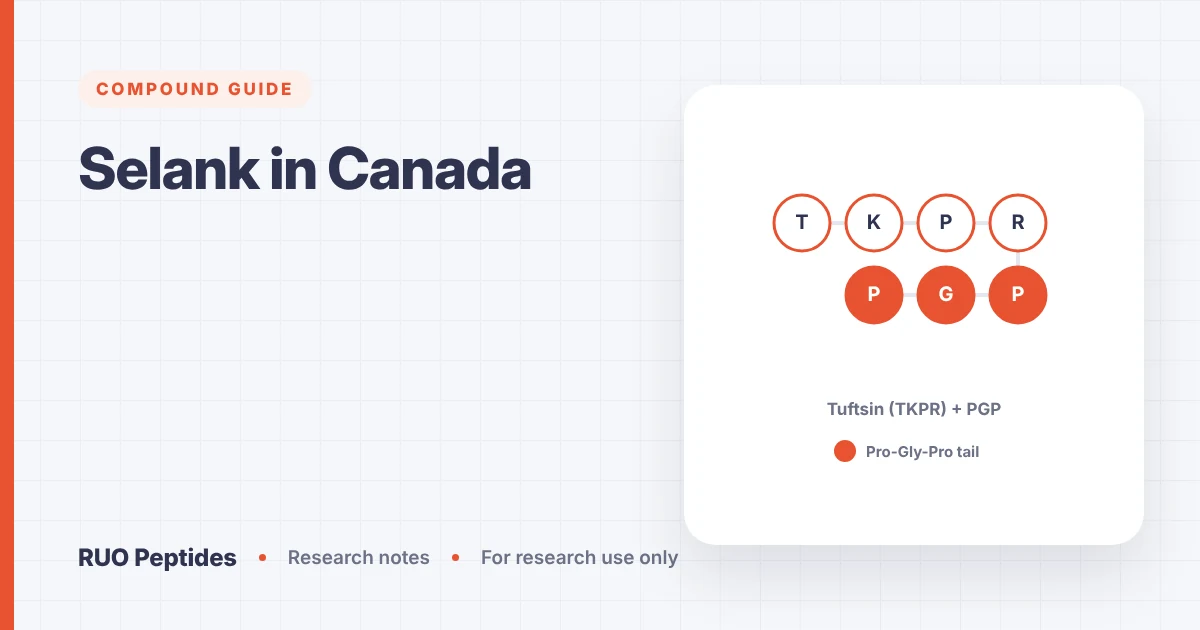
Selank is a synthetic tuftsin analogue developed in Russia. Its structure, what the research describes, what its CoA should confirm, and the Canadian regulatory context.
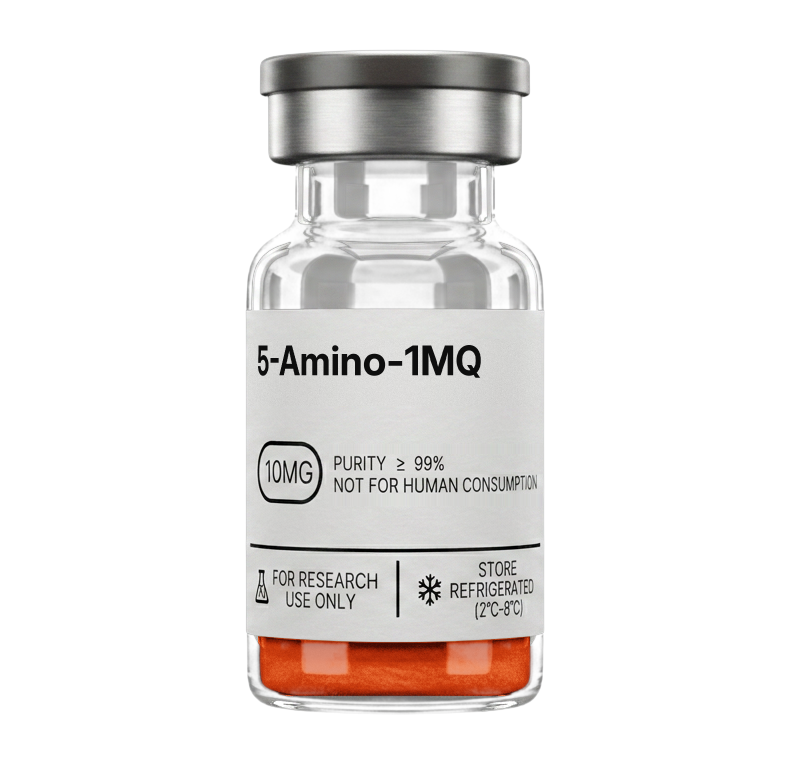
What Is 5-Amino-1MQ?
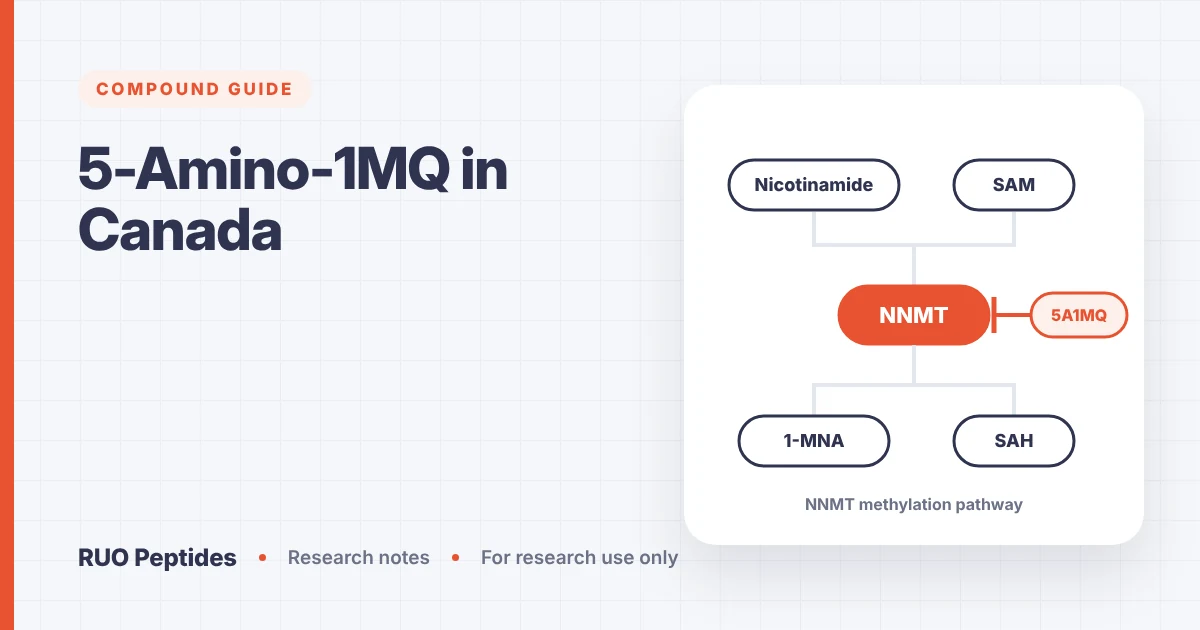
5-Amino-1MQ is a small-molecule NNMT inhibitor studied in metabolic research. What NNMT does, what the mouse studies show, what its CoA should confirm, and the Canadian regulatory context.
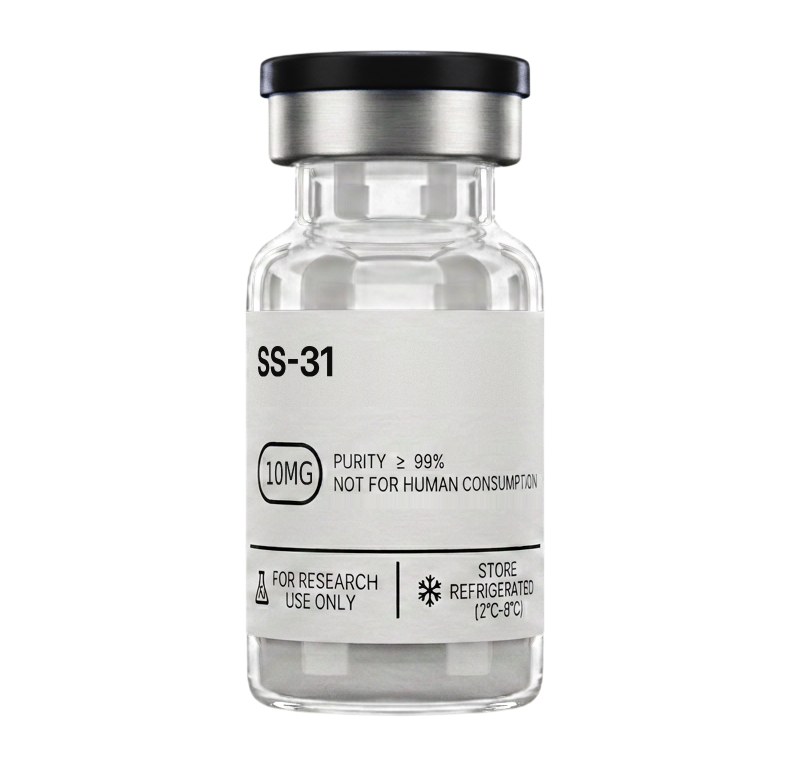
What Is SS-31?
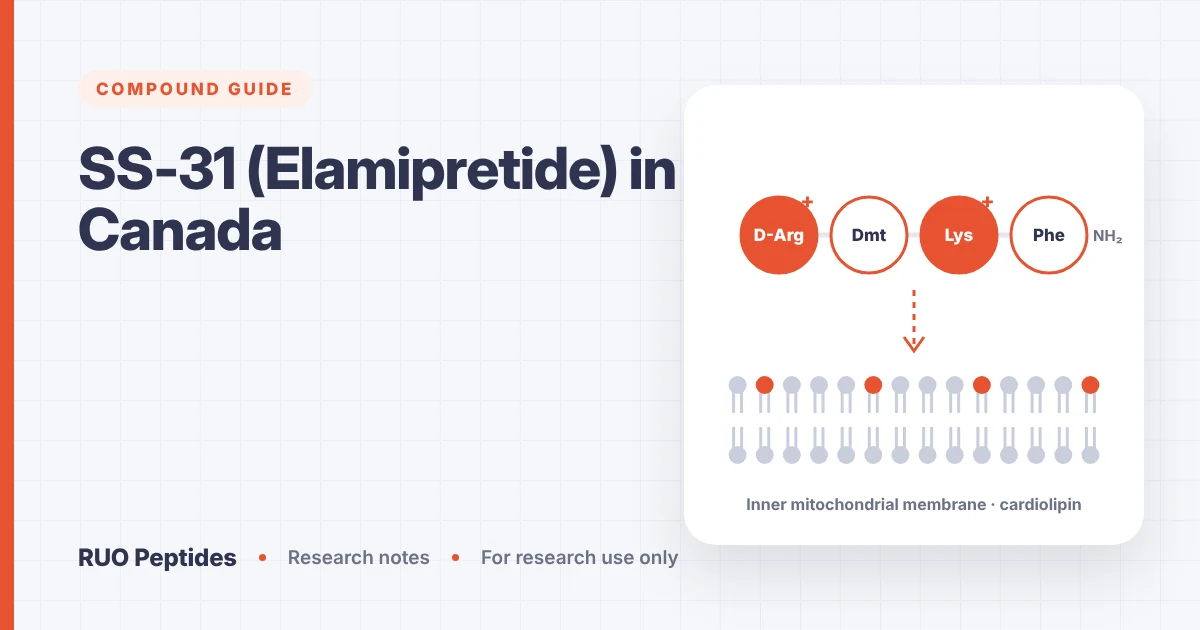
SS-31 (elamipretide) is a mitochondria-targeted tetrapeptide that binds cardiolipin. Its structure, 2025 FDA approval for Barth syndrome, what its CoA should confirm, and the Canadian regulatory context.
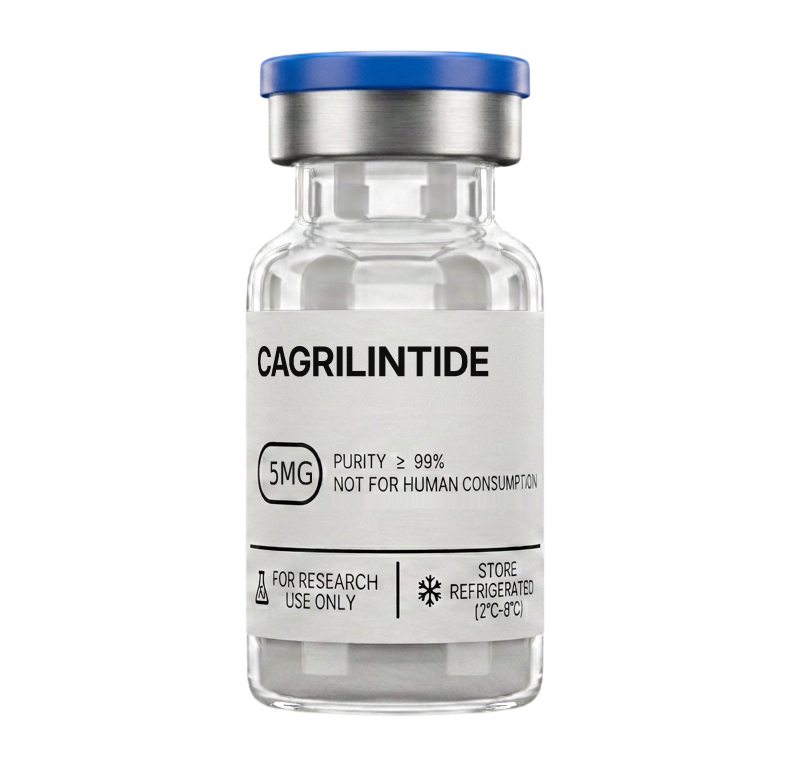
What Is Cagrilintide?
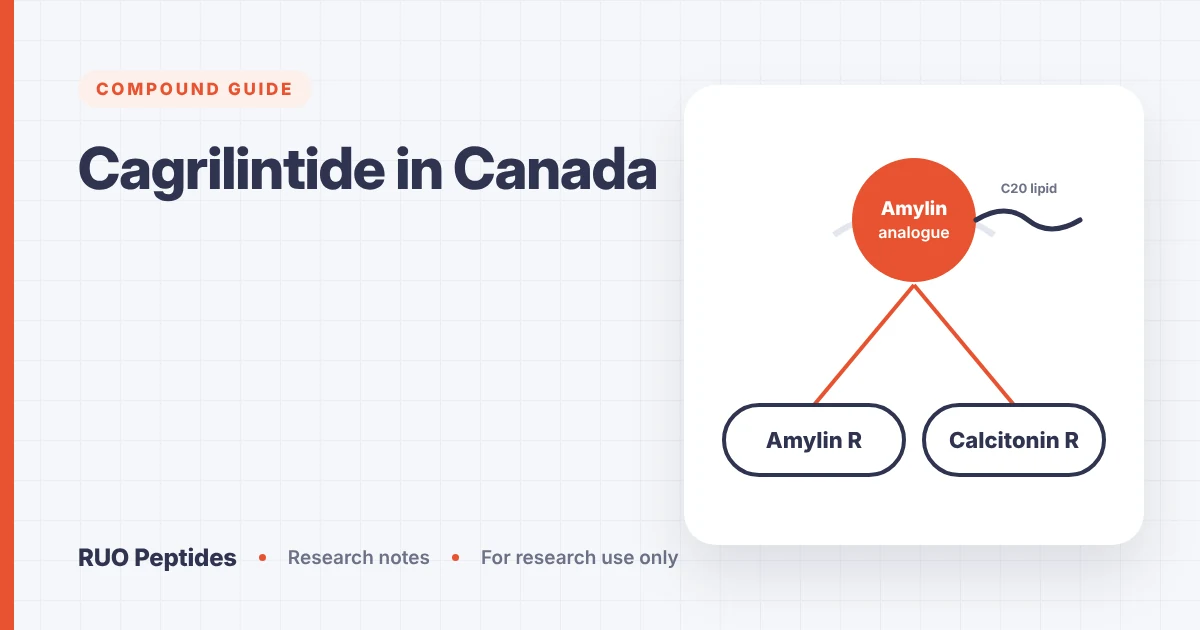
Cagrilintide is an investigational long-acting amylin analogue studied alone and in CagriSema. Its structure, clinical status, what its CoA should confirm, and the Canadian regulatory context.
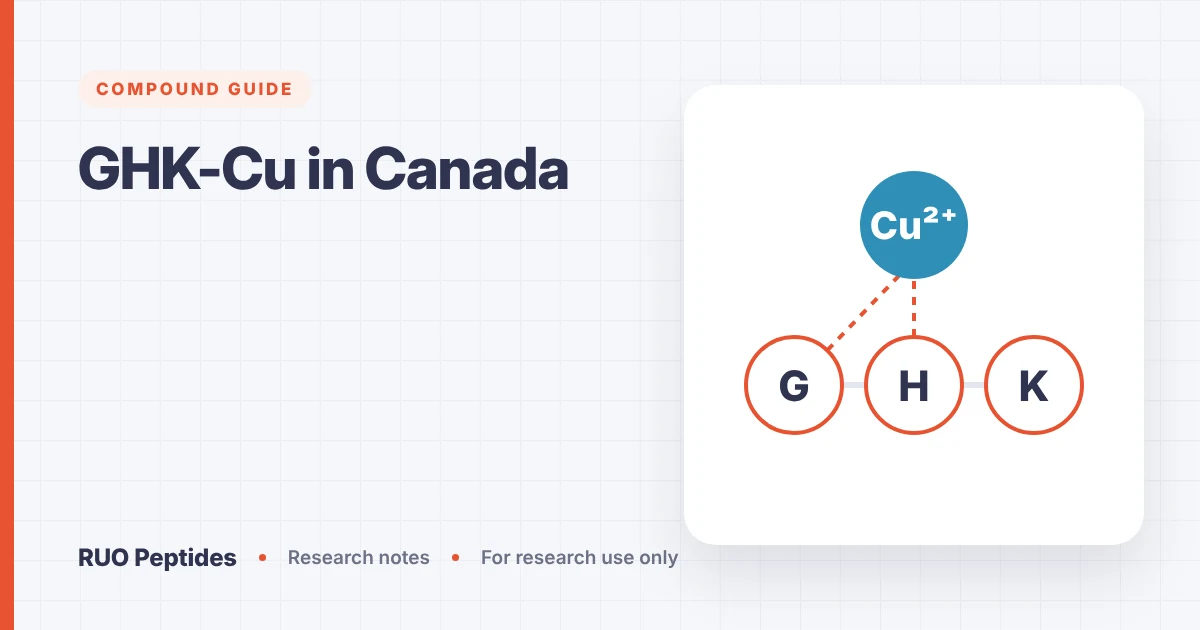
What Is GHK-Cu?
GHK-Cu is a copper-binding tripeptide first isolated from human plasma in 1973. Its chemistry, research history, what its CoA should show, and its regulatory position in Canada.
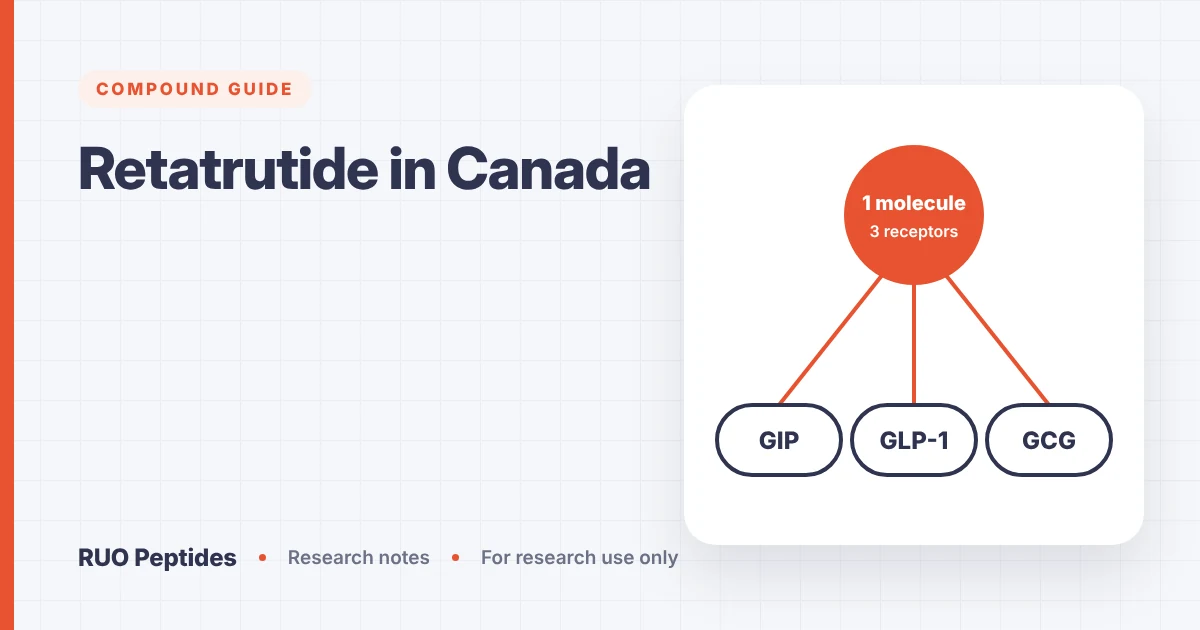
What Is Retatrutide?
Retatrutide is an investigational triple agonist in late-stage clinical trials. What the 2026 Phase 3 results showed, why it is not an approved drug, and what research-use documentation should confirm.
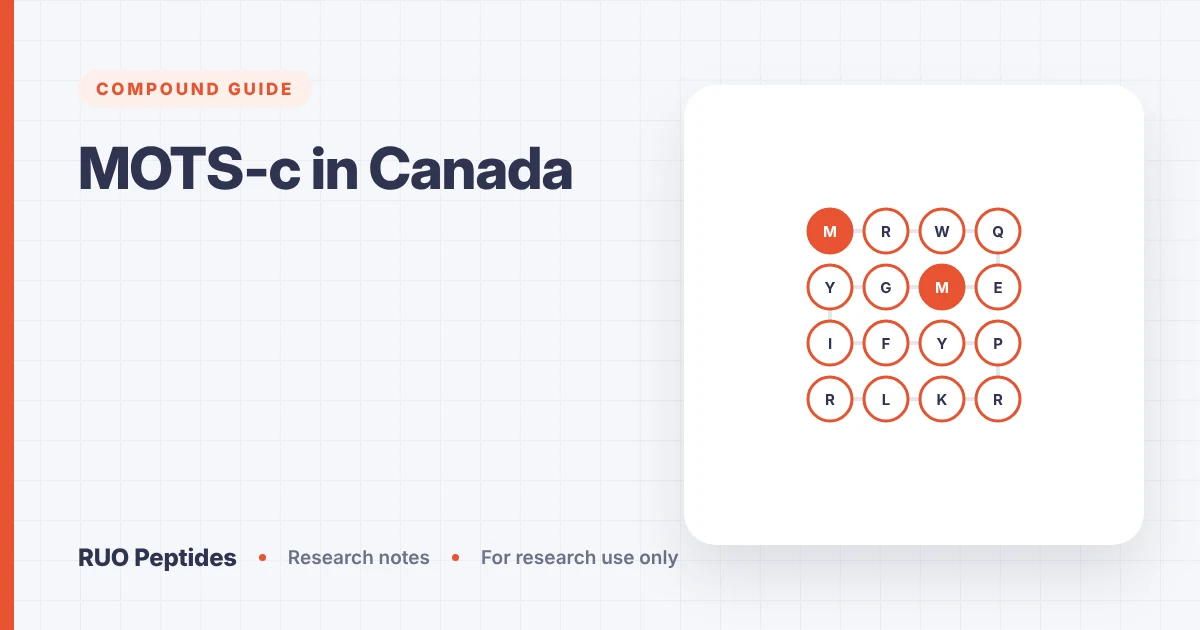
What Is MOTS-c?
MOTS-c is a 16-amino-acid peptide encoded in mitochondrial DNA. Its origin, the research it is known for, what a CoA should confirm, and its regulatory status in Canada.
What Is Tesamorelin?
Tesamorelin is a modified 44-amino-acid GHRH analogue and an authorized prescription drug. How research-use material differs from the approved product, and what its CoA should show.